

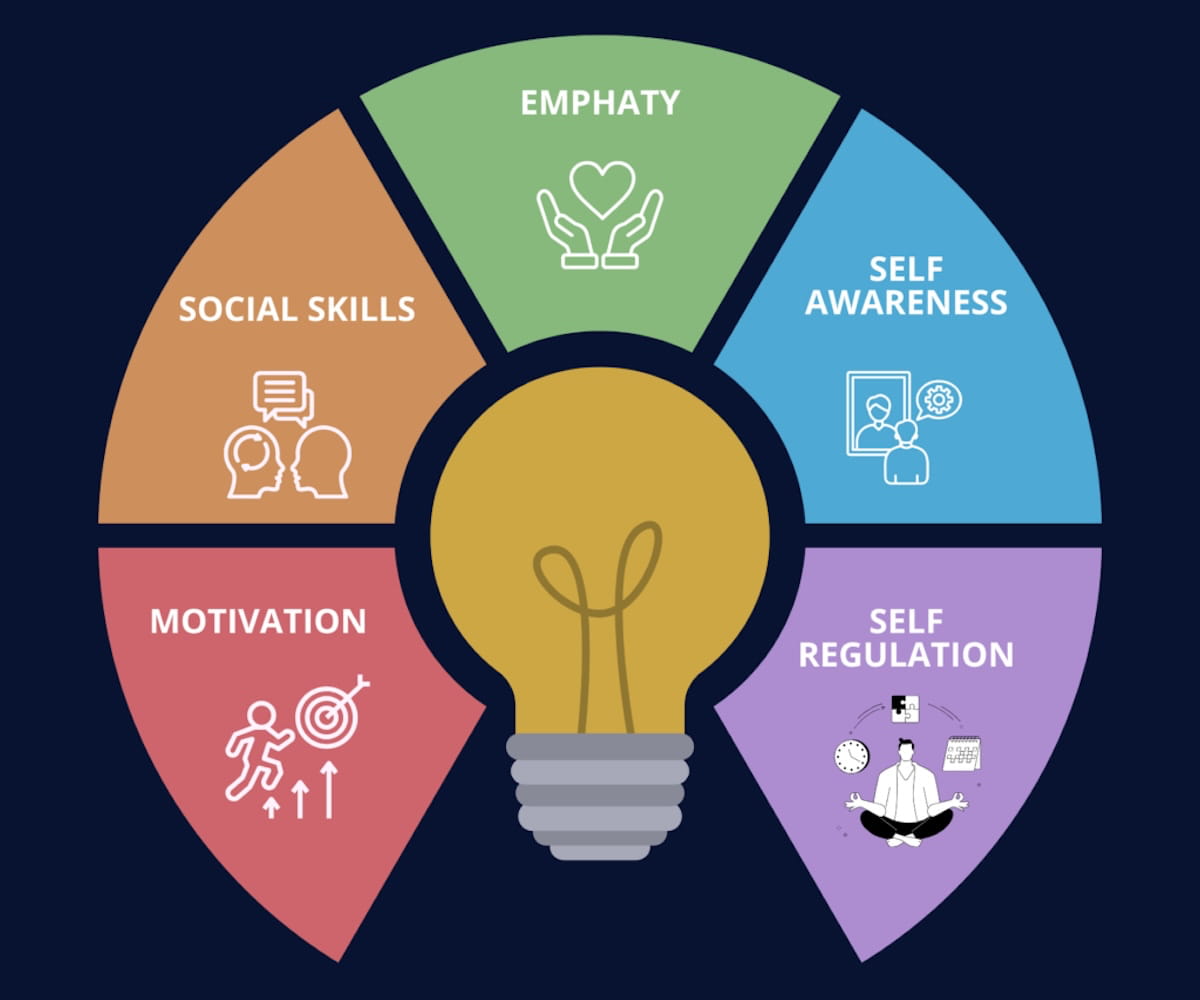
The Importance of Emotional Intelligence for High-Profile Domestic Staff Working for HNW and UHNW Families
Table of Contents
ToggleEmotional intelligence (EI) enables high-profile Domestic Staff to read nuanced cues, regulate their emotions under pressure and maintain the smooth running of a household without friction or loss of discretion.
Organisational research also suggests that EI is linked to better job performance, particularly in roles that require emotional labour — precisely the situation faced by Private Domestic Service Staff in high-net-worth (HNW) ultra-high-net-worth (UHNW) households.
The Significance of Emotional Intelligence for High-Profile Domestic Staff
Technical competence is expected in private households.
What differentiates ‘excellent’ from ‘capable’ is how a professional behaves in complex environments involving fatigue, travel, guests, security constraints, children’s routines and multiple stakeholders with competing priorities.
Emotional Intelligence is the practical ability to recognise how people are feeling, interpret these feelings accurately, and respond in a way that safeguards outcomes and relationships.
In the language of elite service, EI is not just ‘being nice’ — it is the ability to control the atmosphere inside the home.
Why HNW and UHNW Households Feel the Cost of Low EI
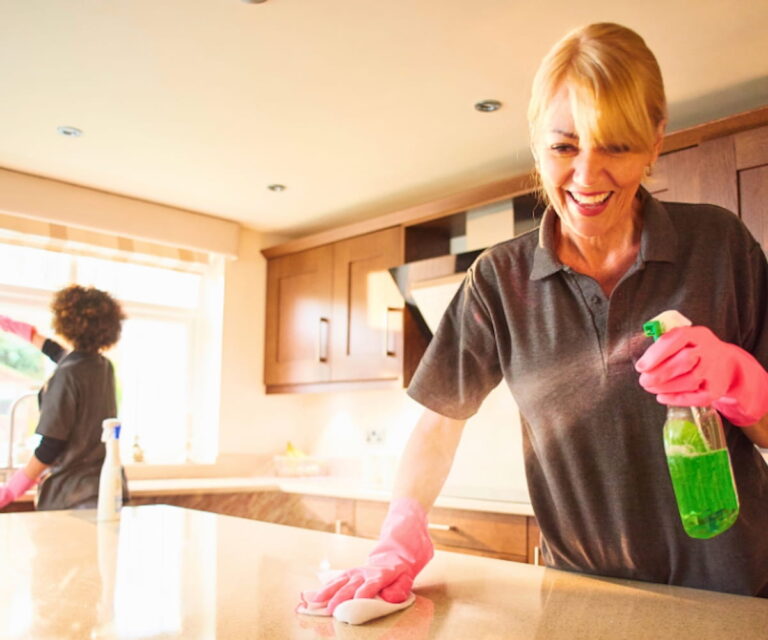
In a high-profile household, small emotional errors can lead to costly disruptions.
For example, a tense handover can result in instructions being missed, a defensive tone can lead to Domestic Staff conflict, an unhandled moment of stress can result in a privacy risk, and a misread Principal can lead to an avoidable ‘incident’ that can linger for months.
In many households, families are not just looking for help — they are looking for calmness, reliability and emotional safety, as well as world-class standards.
When Domestic Staff lack Emotional Intelligence (EI), the household experiences the same pattern: high frustration, constant micro-corrections, decision fatigue, and the sense that ‘we are managing the Domestic Staff instead of the staff managing the house’.
A Clear Definition (for Hiring Decisions)
Originally described by Salovey and Mayer, Emotional Intelligence is defined as the ability to monitor one’s own and others’ emotions, distinguish between them, and use this information to inform thought and action.
In practical terms for Domestic Staff, EI means:
- noticing early signals such as tone, pace, facial micro-changes and silence;
- interpreting these signals objectively;
- choosing the right response in terms of timing, words and boundaries; and
- restoring equilibrium to ensure that the principal’s day stays on track.
This is why EI is consistently discussed as a driver of performance in roles involving interaction with other people.
What Emotionally Intelligent Domestic Staff Actually Do (Day-to-Day)
They reduce friction before it becomes visible
A capable Personal Butler or Private Head Housekeeper anticipates issues and discreetly streamlines the environment by offering shorter options, asking fewer questions, improving timing and sequencing, so that the Principal feels supported rather than “handled”.
They deliver discretion with warmth, not distance
Discretion is not silence; it is the ability to communicate the essentials with judgement, safeguarding privacy while remaining responsive and approachable.
This is particularly important when households include children, guests, multiple properties and third parties such as Personal Drivers, Security Personnel, Contractors, Yachts and Private Jets.
They handle feedback without succumbing to emotional contagion
In HNW and UHNW settings, feedback is often delivered quickly and directly under stress.
Emotionally Intelligent Domestic Staff do not take the message personally or respond in ways that escalate tension.
Research linking EI to performance helps to explain why people who manage their emotions effectively tend to perform better in roles that require emotional regulation.
Emotional Intelligence Across Key Roles
- Private Head Housekeepers: maintain high standards while preserving Domestic Staff morale and preventing the ‘silent resignation’ that leads to staff turnover and inconsistent quality;
- Personal Butlers: manage your presence, pace and tone, especially when hosting, to ensure that the service feels seamless rather than intrusive;
- Executive Personal Assistants: translate pressure into clarity to protect the Principal’s attention, ensuring that communications remain controlled and consistent;
- Nannies and Maternity Nurses: combine sensitivity with boundaries to support children’s emotional regulation, while aligning with parental values and household rules;
- Personal Chefs and Personal Drivers: maintain a calm and professional demeanour in time-critical and high-profile situations, where one emotional outburst could lead to reputational or safety risks.
What High Profile Families Should Look For
Experience
Ask for real-life examples from home: ‘Describe a time when the headteacher was under pressure. What did you observe, what did you do, and what was the outcome?’ Candidates with true Emotional Intelligence (EI) will describe their observations, choices and outcomes, rather than just their intentions.
Expertise
Emotional Intelligence (EI) is not abstract; it is a skill set that can be tested through scenario-based interviews and practical assessments, especially for roles requiring emotional labour.
Authoritativeness
In high-profile recruitment, authority is demonstrated through repeatable selection standards, multi-stage evaluations and a clear methodology that clients can trust, even under time pressure.
Trustworthiness
Trust is built through verification, reference validation and structured checks — because, when assessed correctly, character is as measurable as competence in private households.
How Xerendipity Recruit and Select for EI
At Xerendipity, we recruit and select high-profile Domestic Staff for high-net-worth (HNW) and ultra-high-net-worth (UHNW) families, Family Offices, and international companies.
We place great importance on verified experience and references.
Our approach is designed to identify professionals who can deliver to the required standard and protect the emotional climate of the home, because service quality, safety and peace of mind are inseparable in private life.
We source candidates from high-profile and international communities and conduct structured screening and assessment, including ratings from previous employers and operational field-test assessments where appropriate.
Candidates who meet our standards progress through a defined series of interviews and undergo multiple checks before entering our database for client introductions.
For families seeking additional reassurance, Xerendipity also offers Social Media Intelligence Services as part of a modern, risk-aware recruiting and selection model.
Finally, to support hiring confidence, we offer a 12-18 months Selection Warranty after the probationary period following confirmed employment — because a premium hire should come with premium accountability.
Subscribe Newsletter on LinkedIn
Francesco De Biase
STAY SAFE | RECRUIT SAFE
Contattami per Parlare delle Tue Necessità
Francesco De Biase – C.E.O.
Uff. (+39) 02 80888425
STAY SAFE | RECRUIT SAFE
Contattami per Parlare delle Tue Necessità
Francesco De Biase – C.E.O.
Email: clienti@thexerendipity.com
STAY SAFE | RECRUIT SAFE
Contattaci per Candidarti con Xerendipity
E-Mail: selezione-personale@thexerendipity.com
Related posts:
- DIOGENE Recruiting Intelligence: the discreet system behind exceptional hires
- DIOGENE Recruiting Intelligence: the true cost of a wrong hire in a HNW and UHNW household
- “Panorama” Article: Dream Jobs – Those who find a Perfect Nanny spend a fortune
- DIOGENE Recruiting Intelligence: Discretion isn’t an NDA